

Just inland from the coast, in the hills above the Vara valley, sits Cornice, a hamlet so small and so quiet it feels like time simply stopped here. It's an easy half-day detour from Levanto, best combined with nearby Brugnato, and worth it for anyone who wants to see a side of Liguria most visitors never do.
Getting there
Cornice is a frazione of the municipality of Sesta Godano, in the province of La Spezia, reached most easily by car via the Brugnato exit on the A12 motorway, then a short climb up into the hills. It's a genuinely small detour inland from the coast, though we'd recommend checking a map for current driving times before you set off, as the route winds through the valley.
A village shaped by its isolation
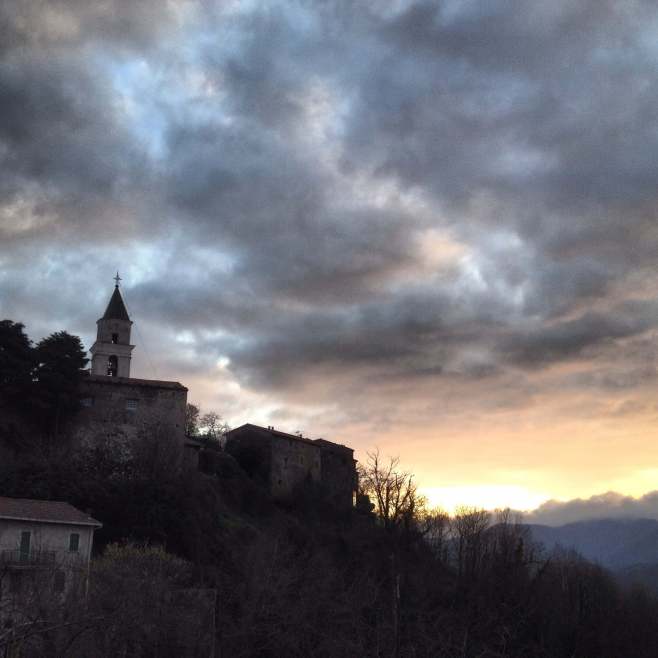
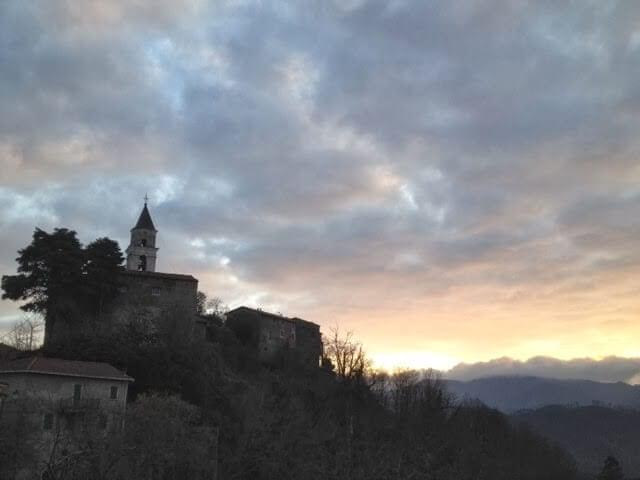
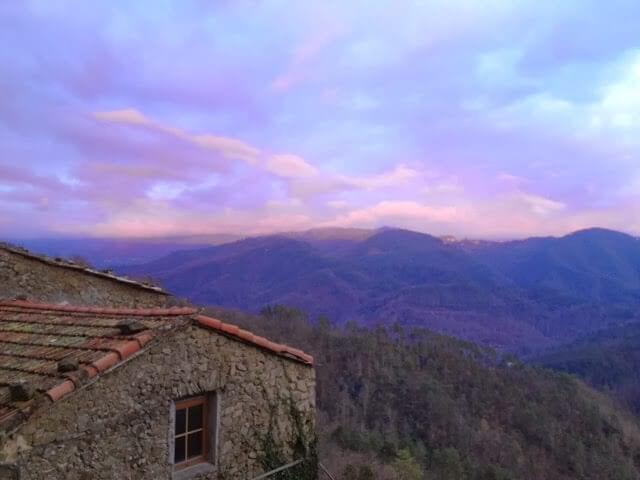
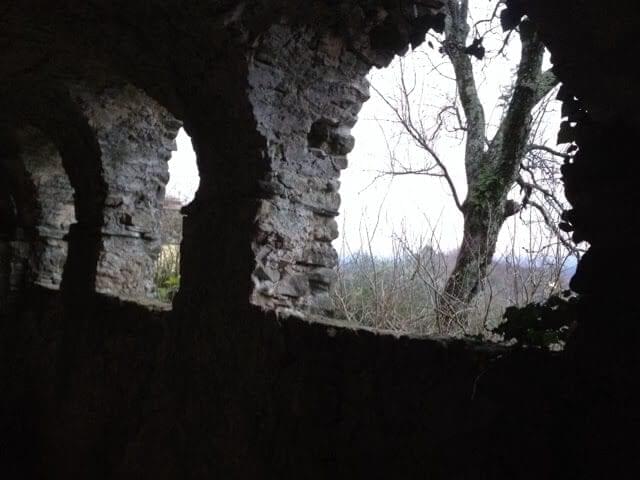
At around 390 metres above sea level, Cornice sits on a ridge overlooking the Vara river, with views stretching to Brugnato, Borghetto di Vara, Godano, the Apuan Alps and the Magra plain on a clear day.
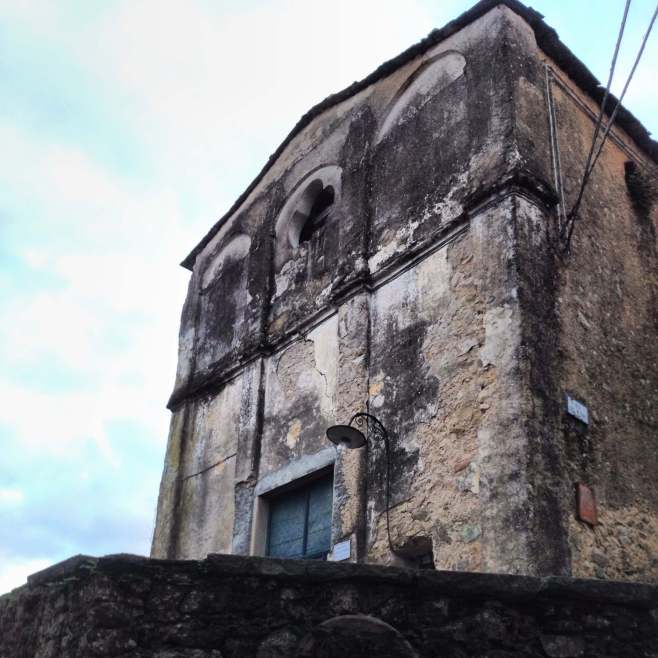
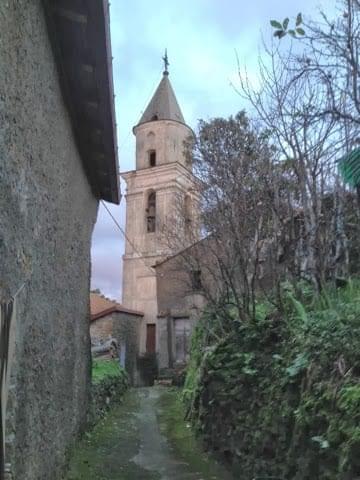
The village is first documented in 1027, and became a parish in 1133, the same year the nearby Abbey of Brugnato was elevated to a bishopric. Its church, dedicated to San Colombano, was built by monks of the Columbanian order from the Abbey of Bobbio, the same tradition that gives the village its patron saint. Inside, a marble high altar from 1708 and a number of valuable 18th-century paintings are worth a look if the church happens to be open.
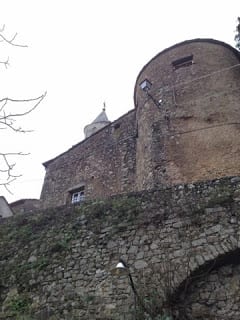
In the Middle Ages, Cornice was home to a group of "cavalieri di ventura," soldiers of fortune, and later gave protection to the founders of the nearby hamlet of Mangia, a family who had fled political turmoil in Florence. Nothing remains of the old castle, mentioned in documents from 1299, but the rest of the village has survived remarkably intact.
Today, Cornice counts around 17 permanent residents. It's a genuinely tiny place, don't expect shops, restaurants or regular opening hours, this is a village to walk through slowly and quietly, not a destination with amenities.
Stone, moss and covered passages
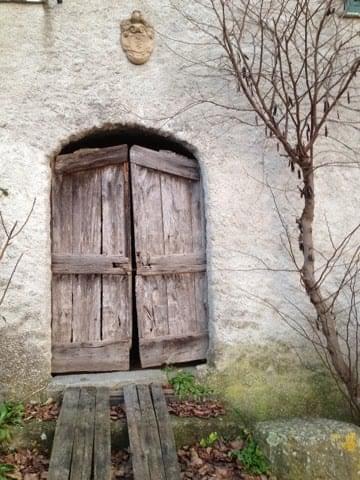
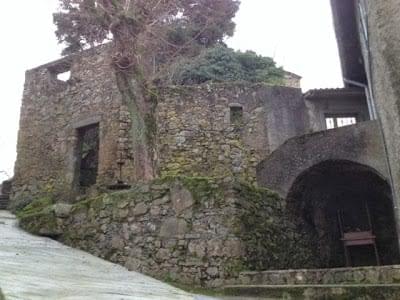
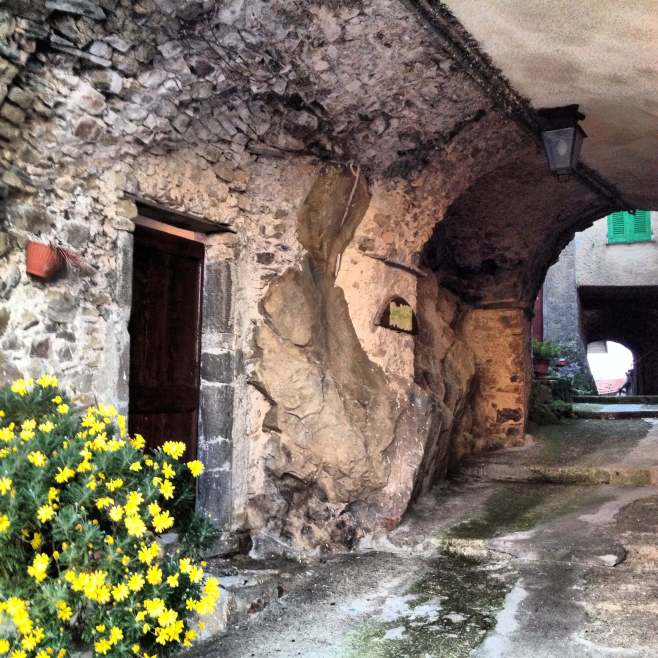
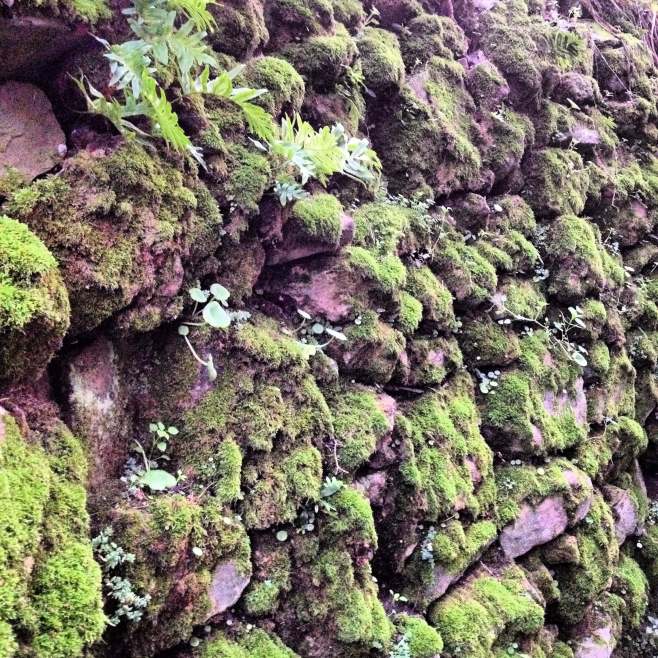
Park at the edge of the village and climb its narrow lanes on foot. The houses are built almost entirely of stone, many covered in moss, with dry stone walls throughout. Covered passages, typical of ridge villages in this area, once allowed residents to move between houses and wine cellars without stepping outside, a practical response to the site's exposed, windswept position.
Historically, Cornice sat near a branch of the Via Francigena, the medieval pilgrim route that carried travellers not only to Rome but, via Provence, towards Santiago de Compostela. A hospice for travellers is believed to have existed here for exactly that reason.
Small vineyards, quietly kept
Cornice is known locally as "il paese dei piccoli vignaioli," the village of the small winemakers, home to a handful of small-scale, family-run vineyards that keep alive a winemaking tradition documented here since at least the 18th century, alongside olives and chestnuts historically grown in the area.
When to visit
We'd recommend arriving in the late afternoon and staying through sunset, when the light on the stone turns warm and the silence that defines this place feels particularly complete. Combine it with a stop in Brugnato on the way back to the coast, which has more in the way of food and services if you're after a proper meal to close the day.
FAQ
How do I get to Cornice from Levanto?
By car, via the Brugnato exit on the A12 motorway, then a short climb into the hills. It's an easy inland detour, though we'd suggest checking a map for current driving times.
Are there restaurants or shops in Cornice?
No, or very few. Cornice has around 17 permanent residents and is a quiet residential hamlet, not a village set up for tourism. Combine your visit with nearby Brugnato if you want food or services.
What's the history behind Cornice's church?
The church is dedicated to San Colombano and was built by monks of the Columbanian order from the Abbey of Bobbio. Cornice became a parish in 1133, the same year the Abbey of Brugnato, on which it depended, was elevated to a bishopric.
Is Cornice connected to the Via Francigena?
Yes. The village historically sat near a branch of this medieval pilgrim route, which carried travellers towards Rome and, via Provence, towards Santiago de Compostela. A traveller's hospice is thought to have existed here for this reason.

